Hey neighbors,
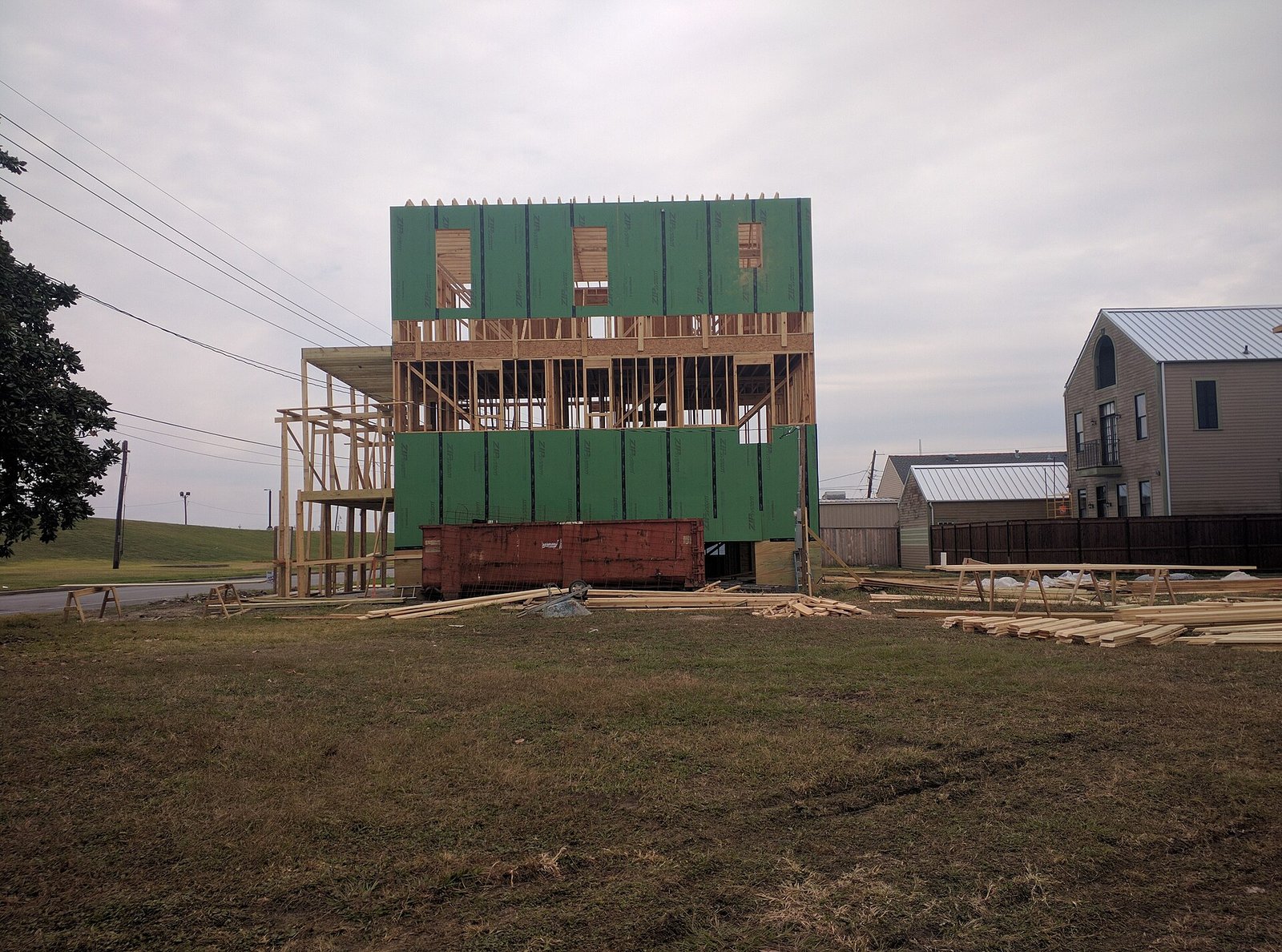
If you've driven out Pleasant Grove or Blue Oaks toward West Roseville lately, or through Folsom Ranch south of 50, you've seen the flags and the model homes. And with them come the incentive flyers: "Rate as low as…", "$X toward closing costs with our preferred lender", "2-1 buydown included."
Some of those offers are really good. Some look great and aren't. The bigger thing to think about is what the incentive is worth to you in dollars, compared to the other ways you could use it. Here's how I'd break it down.
1. Builder incentives are a pot of money. Decide how to spend it.
Most builder incentives come down to a dollar amount the builder is willing to put toward your purchase. Usually you can apply it to some mix of:
- Closing costs
- A temporary rate buydown (like a 2-1)
- A permanent rate buydown (paying points)
- Upgrades or price, depending on the builder
Keep in mind these choices aren't equal. A price cut lowers your loan amount for all 30 years. Closing-cost help saves cash right now. A temporary buydown only helps for the first couple years. Ask the builder for the incentive as a dollar figure, then we can compare it a couple different ways.
2. How a 2-1 buydown actually works
A 2-1 buydown lowers your rate by 2% in year one and 1% in year two, then you're at the full note rate from year three on. The builder or seller funds that difference up front, and it's held in an account that covers part of your payment for those first two years.
A couple things most people don't hear on the sales floor, straight from Fannie Mae's Selling Guide for conventional loans:
You can run the numbers on the payment calculator if you want to see how the payment steps up.
- You qualify at the full note rate, not the bought-down rate. The buydown doesn't help you qualify for a bigger loan.
- Your note shows the permanent terms. The buydown is a separate written agreement and doesn't change the loan itself.
- If the buydown money comes from the builder or seller, it counts toward interested-party contribution limits, the cap on how much the seller side can contribute.
- Temporary buydowns are allowed on primary residences and second homes, not investment properties.
So the honest way to look at a 2-1: it's payment relief for two years. That's great if you expect your income to go up, or if you'd likely refinance anyway. But it's not a lower rate for the life of the loan. Better to know this early.
3. Preferred lender vs. shopping around
Builders often offer their biggest incentives when you use their preferred or affiliated lender. That can be a fair deal. Just compare the total package, meaning the incentive and the loan terms, and not just the incentive.
What I'd do:
- Get the builder's offer in writing with the incentive amount and any conditions.
- Get a Loan Estimate from the preferred lender.
- Get a Loan Estimate from at least one other lender.
- Line up the same sections (loan costs, rate, cash to close) side by side.
The CFPB's Owning a Home tools walk through how to compare Loan Estimates. I'll happily build that comparison for you, even if the builder's lender ends up winning. I'm not tied to one bank, so I'd just rather you pick the right one.
Photo: UncleVinny / Wikimedia Commons, CC BY 3.0
4. Mello-Roos (CFD) taxes, the payment piece people miss
A lot of newer Roseville neighborhoods are inside Community Facilities Districts, usually called Mello-Roos districts. These special taxes help pay for streets, parks, and other infrastructure, and they show up on your property tax bill on top of your base property tax.
Why it matters for your loan: lenders count your full housing payment, including property taxes and special taxes, in your debt-to-income ratio. A home with a sizable Mello-Roos amount can qualify very differently from a similar home without one.
The City of Roseville publishes its CFD/Mello-Roos bond districts (Amoruso Ranch and others) with boundary maps and formation documents. Ask the builder for the estimated annual special tax on your specific lot, and check it against the city's documents. If you're looking in Folsom or Rocklin, check with that city and Placer or Sacramento County for the districts there.
5. Timing: new builds can take a while
If the home isn't finished, ask how long the builder expects and how a rate lock would work over that timeline. Longer locks are possible but can cost more, and rates will still move until we lock. Build that into your plan early.
Quick checklist before you sign
- Incentive amount in writing, plus what it's conditioned on
- Loan Estimates from the preferred lender and at least one other lender
- Estimated Mello-Roos/special tax and HOA dues for your lot
- Estimated completion date and lock strategy
- Know whether your loan amount is under the 2026 conforming limit ($832,750 in Placer and Sacramento counties)
FAQ
Is a 2-1 buydown worth it on new construction? It can be. It lowers payments in years one and two, but you qualify at the full note rate, and from year three on you pay the full rate. Compare it against using the same dollars for closing costs or a permanent buydown.
Do I have to use the builder's lender? Builders often tie their biggest incentives to their preferred lender. Compare the total offer, incentive plus loan terms, against at least one other Loan Estimate before you decide.
How do I find out if a Roseville home has Mello-Roos? Ask the builder for the lot's estimated special tax and check the City of Roseville's CFD/Mello-Roos bond district maps and documents.
Does Mello-Roos affect how much I qualify for? Yes. Special taxes are part of your monthly housing payment in debt-to-income calculations.
Can I use a temporary buydown on a rental? Not on a Fannie Mae conventional loan. Temporary buydowns are for primary residences and second homes.
If you're touring models this fall, send me the incentive sheet and I'll lay out a couple ways to use it. Credit won't be pulled until we agree it's the right time.
If it's easier to talk it through, you can grab a 30-minute call with me here:
https://api.leadconnectorhq.com/widget/booking/Bjs0C1LjigaXwsdBwsVr
Let me know what questions you have.
Kyle
Kyle Butterfield | Loan Officer, NMLS #2717196 | Dwell Mortgage, LLC, NMLS #2426506 | Equal Housing Opportunity | nmlsconsumeraccess.org. This is educational information, not a commitment to lend. All loans are subject to credit approval, underwriting, and program guidelines. No rates are quoted or promised here. Buydown terms and builder incentives vary and are set by the builder or seller.