
A home worth about $800,000 with $500,000 left on the mortgage is sitting on roughly $300,000 in equity, and a HELOC is one of the more flexible ways to tap into it. Whether it makes sense for you depends on what you're using the money for and whether you're okay with a payment that can move around.
A HELOC is a line of credit that uses your home as collateral. You borrow against your equity as you need it, up to a limit. That flexibility is really nice, but the Consumer Financial Protection Bureau is clear about the other side of it: if you can't keep up with the payments, your home is on the line.
This comes up a lot here in Sacramento, Roseville, and the surrounding areas, so here's how it works and what I'd check first.
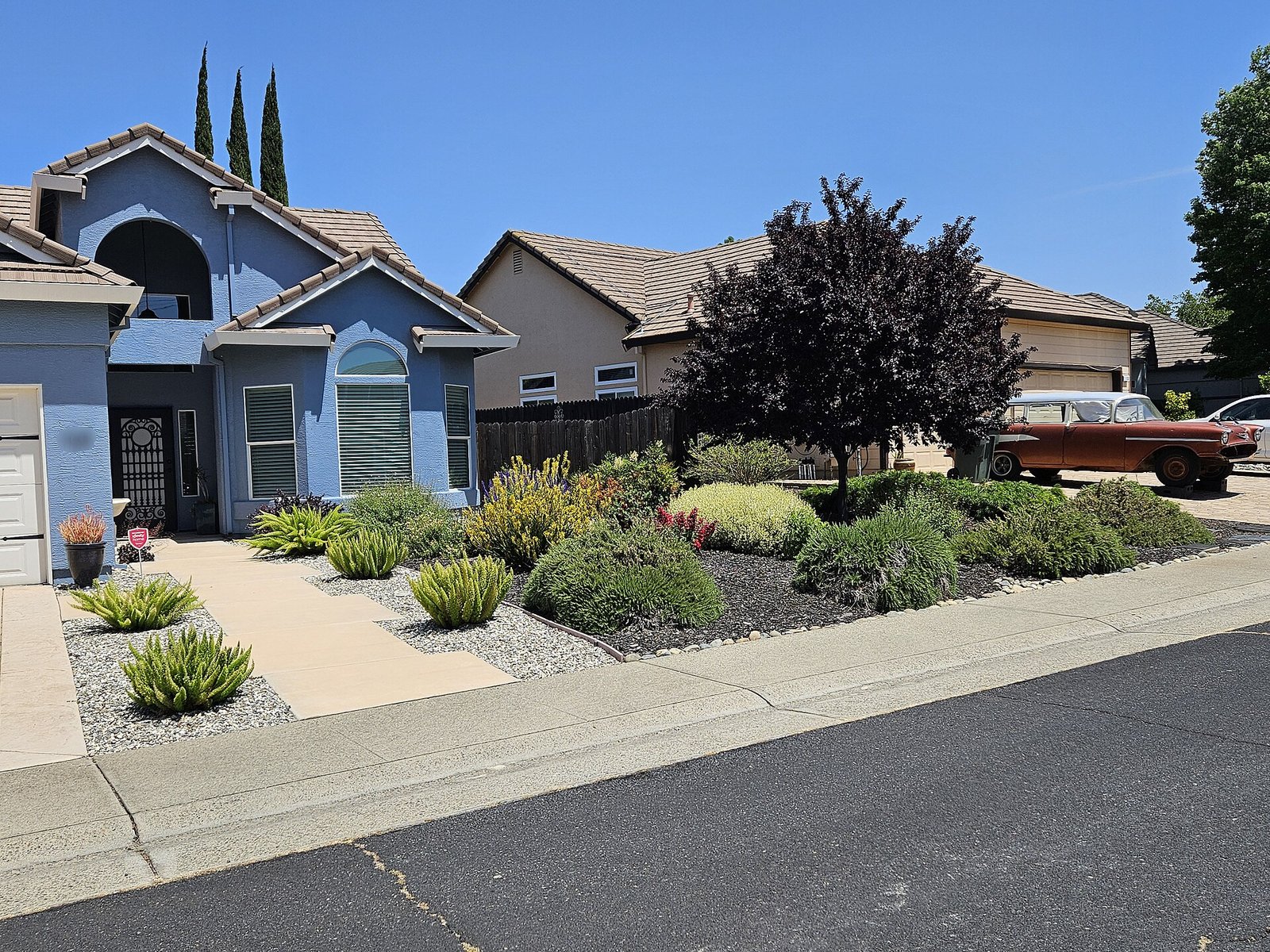
Photo: SpiritedMichelle / Wikimedia Commons, CC BY 4.0
What a HELOC is
HELOC stands for home equity line of credit. The CFPB explains it like this:
- It's a line of credit, kind of like a credit card, except you're borrowing against the equity in your home.
- Equity is your home's value minus what you still owe on the mortgage.
- If you already have a first mortgage, a HELOC is usually a second mortgage. So you'd have the HELOC payment on top of your first mortgage payment.
- You can usually draw money more than once, up to your credit limit. As you pay it down, that credit can open back up.
- HELOCs usually have adjustable rates, so the payment can change as the balance and the rate move.
A home equity loan is a little different. That's usually one lump sum with its own repayment schedule.
When a HELOC can make sense
It tends to fit when the way you need the money matches how a line of credit works. A couple situations I see:
1) A remodel that gets paid in stages
Kitchen, bathrooms, ADU planning, or a bigger remodel where the contractor gets paid in phases. You draw what you need as each invoice comes in.
If renovation is the reason you're looking, I also have a page on renovation options and one on ADU financing in California.
2) Paying off high-interest debt, carefully
Some people look at rolling credit cards into a HELOC. That can lower the interest cost, but keep in mind you're moving unsecured debt onto your house. Missing a credit card payment is bad. Missing a HELOC payment puts the home at risk. Better to know that early.
3) A short bridge
Closing costs on another property, a gap between selling and buying, or an expense coming in pieces. A line you can tap and pay back down can be cleaner than replacing your whole first mortgage, as long as you still like that first mortgage.
HELOC vs. cash-out refinance
This is usually the comparison people want.
| HELOC | Cash-out refinance | |
|---|---|---|
| What happens to your first mortgage? | Usually stays in place. HELOC sits behind it as a second lien. | Replaced. You get a new, larger first mortgage and take the difference in cash. |
| How you get the money | Draw as needed, up to a limit (revolving line). | One lump sum at closing. |
| Rate picture (high level) | Often variable on the HELOC portion. | New rate and term apply to the entire new loan balance. |
| When it can fit | You like your current first-mortgage setup and only need flexible access to equity. | You want to change the whole mortgage and pull cash in one move. |
The CFPB's research on cash-out refinances makes the same point: a cash-out refi replaces your original mortgage, and HELOCs and home equity loans leave it in place. So if you locked in a first-mortgage rate you still like, that's the bigger thing to think about.
I'm not quoting rates or payments here on purpose. They change, and I'd rather run your actual numbers than have you chase something you saw in a blog post.
If you're weighing a refinance, my conventional loans in Roseville and Sacramento home loans pages are decent places to start.
Things to check first around Sacramento, Placer, and El Dorado
Your equity is based on the lender's valuation
Lenders don't go off a Zillow screenshot. They'll use an appraisal or another valuation method their guidelines allow. FHFA publishes a House Price Index for the Sacramento–Roseville–Folsom metro (it's on FRED), and it's useful for seeing which direction prices are going. It's not a substitute for what your house appraises at.
Insurance in the foothills
If you're in or near wildfire areas, like parts of Granite Bay, El Dorado Hills, or the foothills toward Auburn, homeowners insurance can be harder or more expensive to get. California's FAIR Plan is there as a last-resort fire insurance option when the regular market won't write you a policy. I'm not an insurance agent, I'm just flagging it because the lender needs the home properly insured. If coverage has been a headache, talk to a licensed insurance broker early.
Property taxes after a remodel
Under California's Prop 13 rules, new construction like an addition or certain major remodels can trigger a reassessment of the new work, while the existing base-year value on the rest of the property generally stays put. The California Board of Equalization explains this, and your county assessor decides the specifics. So don't assume the tax bill stays flat after a big remodel.
HOA and Mello-Roos
In newer Roseville, Folsom, and El Dorado Hills neighborhoods, HOA dues and special taxes are already part of the monthly payment. A HELOC payment stacks on top of that, so the real question is whether the whole monthly payment still feels comfortable if the HELOC rate goes up.
A simple example
Back to the numbers from the top: your home is worth about $800,000 and you owe about $500,000. That's roughly $300,000 in equity. That doesn't mean you can borrow $300,000, though. The lender's valuation and their max combined loan-to-value rules decide how much of it you can actually use, and you still have to qualify for the payment.
Now say you want to redo the kitchen and a bathroom over six months, and the contractor wants to be paid at demo, mid-build, and finish. A HELOC might fit, because you draw in stages and your first mortgage stays the way it is.
The honest caveat is that it only works out if you qualify for the amount you need, you're okay with the fees and the variable rate, and a side-by-side doesn't show something better. Sometimes a cash-out refinance wins. Sometimes waiting and saving up wins. I'd rather confirm than guess.
Next step
If you're trying to decide between a HELOC, a cash-out refi, or just leaving things alone, I'm happy to walk through it with you. You can book a 30-minute call here, and credit doesn't get pulled until we both agree it's the right time:
https://api.leadconnectorhq.com/widget/booking/Bjs0C1LjigaXwsdBwsVr
If you'd rather start over email, send me roughly what the house is worth, what you owe, and what the money is for, and I'll tell you which direction I'd look first. The Roseville and renovation pages are there too.
Let me know what questions you have.
Kyle
Kyle Butterfield
Loan Officer, NMLS #2717196
Dwell Mortgage, LLC, NMLS #2426506
Equal Housing Opportunity
For licensing information: nmlsconsumeraccess.org
Not a commitment to lend. All loan programs are subject to credit approval and underwriting. This post is educational only and is not a rate quote, APR claim, or payment example.